What is it?: Fragrance System
- Top Notes: The tiny, lightweight scent molecules that you smell immediately when you spray a product. They evaporate very quickly, like the initial burst of citrus.
- Base Notes & Fixatives: The heavy, long-lasting scent molecules that stick to your skin or hair for hours. They act as "anchors" to keep the scent from floating away instantly.
- Solvent: Usually a specially refined alcohol or oil that acts as the liquid vehicle. It carries the fragrance out of the bottle and onto your skin.
- Aroma Chemicals: A mix of synthetic and natural compounds engineered in a lab to create specific smells, like "fresh linen" or "rose petal."
What Exactly is a Fragrance System?
Think of a Fragrance System like the precise blend of spices in a complex soup. On its own, the base ingredients of your favorite lotion or serum—the waxes, raw oils, and cleansing chemicals—usually smell pretty bad, often like glue or medicine. The fragrance system's primary job is to mask those raw, chemical odors and replace them with a scent that makes you feel clean, relaxed, or energized.
But a fragrance isn't just one single ingredient. It is a carefully engineered chemical structure made up of dozens, sometimes hundreds, of different volatile compounds. These compounds are designed to evaporate at very specific rates the moment they hit the warmth of your skin or the air in your bathroom. It is a delicate balancing act that requires heavy molecules to pin down the lighter ones, preventing the whole scent from disappearing in seconds.
How and Why It Breaks Down
The Sun-Bleach Effect (Light Damage)
Just like leaving a colorful photograph in a sunny window causes the colors to fade, light energy can physically shatter the delicate molecules that make up a scent. When light particles hit the liquid, they agitate the chemicals, causing them to break apart into smaller, entirely different compounds that don't smell the same as the original formula.
How it Fails: High UV Exposure → Active Oxidation → Fragrance Degradation
Baking in the Bathroom (Heat Damage)
Think about what happens when you boil water; it turns to steam and escapes. The components of a fragrance are meant to evaporate, but when you store a perfume or scented lotion in a hot, steamy bathroom, you are accidentally "cooking" it. The heat causes the essential lightweight molecules to evaporate inside the bottle, throwing off the carefully balanced chemical ratio and leaving behind a heavy, sometimes syrupy mess.
How it Fails: Temperature Extremes → Solvent Evaporation Shift → Volatile Loss
The "Stale Air" Problem (Oxygen Exposure)
If you leave an apple slice on the kitchen counter, oxygen in the air reacts with it and turns it brown. The same thing happens to the natural oils in your fragrance. Every time you open a bottle, air gets trapped inside. Over time, that oxygen attacks the natural ingredients, causing them to go bad and produce an unpleasant, sour smell.
How it Fails: Container Interaction → Active Oxidation → Oil Rancidity
Cheap vs. Expensive: Where Brands Cut Corners
- The Anchor Quality: Cheap brands use inexpensive, highly volatile synthetics with weak fixatives. This means the scent smells overwhelmingly strong for five minutes but suffers from rapid Volatile Loss and disappears completely shortly after. Premium brands use high-quality, stable fixatives (like synthetic musks or fine woods) that anchor the scent to your skin for 12+ hours.
- The Bottle Design: Budget perfumes often come in clear, thin plastic or glass bottles with poorly fitting sprayers. This allows air to leak in and light to blast the formula, speeding up Fragrance Degradation. High-end brands invest in dark, opaque glass or UV-coated bottles with crimped, airtight Seal Gasket Systems to protect the juice inside.
- Ingredient Stability: A $10 drugstore mist relies heavily on water and cheap alcohol. A luxury scent relies on carefully stabilized essential oils and synthetics that are rigorously tested against Active Oxidation, meaning the $150 bottle will smell the same five years from now, while the cheap one will smell like rubbing alcohol next summer.
Products Where You'll Find This
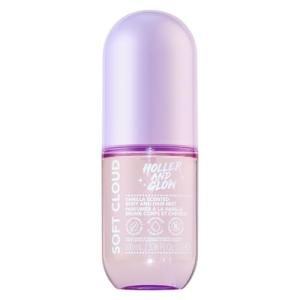
- Body Mists & Light Fragrance: The fragrance system is the entire reason this product exists. It uses a high concentration of water and alcohol to disperse a light, refreshing scent over a large area of the body.
- Facial Moisturizers & Face Creams: Here, the system is used in very tiny amounts primarily to mask the unpleasant, glue-like smell of the raw chemical bases and waxes used for hydration.
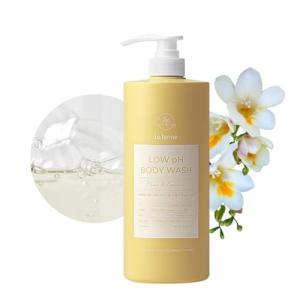
- Shampoos & Hair Cleansers: The fragrance system is formulated specifically to "bloom" (become more aromatic) when it comes into contact with warm water, creating that spa-like shower experience.
- Solid & Balm Perfumes: Instead of liquid alcohol, these use a dense wax or oil base to trap the fragrance molecules, relying on the physical heat of your pulse points to slowly release the scent.
Warning Signs That It's Failing
- It smells sour, like old cooking oil or crayons: The natural oils and compounds in the formula have gone bad, indicating severe Oil Rancidity.
- The liquid has turned a dark yellow or brown: This visual change means the delicate chemical bonds have broken down due to light or air, a classic symptom of Active Oxidation.
- The scent vanishes almost immediately: The heavier "fixative" molecules have broken down, or the solvent base has degraded, leading to massive Volatile Loss.
- The liquid looks cloudy or has layers: The fragrance oils are separating from the water or alcohol base, a sign of Emulsion Separation.
How to Make It Last Longer
- Get it out of the bathroom: Bathrooms fluctuate wildly between hot, steamy showers and cool air. Store your fragrances in a bedroom drawer or closet to protect them from Temperature Extremes.
- Keep it away from windows: Direct sunlight is the enemy of stable chemicals. Keeping products in their original boxes or dark cabinets prevents High UV Exposure.
- Don't shake the bottle: Shaking introduces microscopic air bubbles into the liquid, which acts as a catalyst for Active Oxidation.
- Keep caps on tight: Always replace caps securely immediately after use to seal out oxygen and minimize Solvent Evaporation Shift.
How We Analyze This
We evaluate these products by looking at the hard data behind how they are built and formulated, rather than just doing unboxing reviews. We cross-reference chemical safety sheets, hardware teardowns, and thousands of real-world consumer complaints to figure out exactly how and why these everyday items break down.