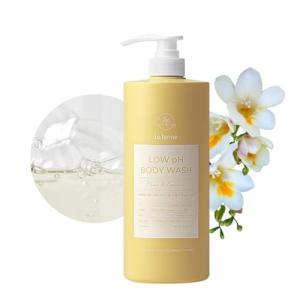
What is it?: Surfactant System
- Category: Chemical & Formulation
- The Core Job: To grab onto dirt, oil, and sweat so they can be easily rinsed away with water.
- Everyday Name: The "soap" or cleansing agents in your wash.
What Exactly is a Surfactant System?
Imagine a tiny, microscopic magnet. One end of this magnet absolutely loves water, and the other end absolutely loves oil and grease. This clever little molecule is called a surfactant. Without them, oil and water behave just like they do in a salad dressing—they separate and refuse to mix. If you tried to wash an oily face with just water, the water would simply roll right off.
The Surfactant System acts as the ultimate peacemaker. When you massage a cleanser into your skin or hair, the oil-loving ends of the surfactants latch onto the grime, makeup, and natural sebum. Then, when you splash your face, the water-loving ends grab onto the tap water, pulling all that trapped grease down the drain with it. It is the fundamental engine behind almost every cleansing product in your bathroom.
How and Why It Breaks Down
The Mineral Hijack (Hard Water)
If you live in an area with hard tap water, your water is full of heavy minerals like calcium and magnesium. These minerals act like bullies that hijack your cleanser. Instead of grabbing the dirt on your skin, the surfactant molecules get distracted and bind to the heavy minerals instead. This leaves a sticky, invisible film behind and completely kills your product's ability to create a rich lather.
How it Fails: Hard Water Buildup → Surfactant Breakdown → Foaming Instability
The Bathroom Bake-Off (Heat Exposure)
Most people keep their cleansers in the shower, which means the bottle gets blasted with hot steam every single day. A surfactant system is a delicate balancing act, carefully blended to stay smooth and uniform. Constant heating and cooling is like leaving a vinaigrette out in the sun—eventually, the bonds weaken, and the oil-grabbing and water-grabbing components physically split apart, turning your smooth gel into a chunky, separated mess.
How it Fails: Temperature Extremes → Emulsion Separation → pH Drift
Cheap vs. Expensive: Where Brands Cut Corners
- Harsh vs. Gentle Formulations: Cheap drugstore brands often rely on aggressive, heavily stripping surfactants (similar to what you'd find in dish soap). They clean dirt away, but they also strip your skin's natural moisture barrier, leading to painful Barrier Irritation Amplification.
- Stability Under Pressure: A $50 premium cleanser uses complex, gentle amino-acid-based surfactants. These are much harder to keep blended in the bottle. Cheap brands use synthetic fillers to hold their formulas together, while premium brands invest in high-quality stabilizers to prevent Emulsion Separation over time.
- Lather Quality: Budget products use chemicals that create massive, fluffy bubbles to trick you into thinking it's working better. Premium formulas create a dense, micro-lather that cleans deeply without triggering rapid Foaming Instability.
Products Where You'll Find This
- Facial Cleansers & Washes: It acts as the core engine here, specifically calibrated to remove daily sunscreen and makeup without destroying the delicate skin on your face.
- Shampoos & Hair Cleansers: In haircare, these systems are designed to cut through thick styling products and heavy scalp sebum so your hair doesn't look flat and greasy.
- Body Washes & Shower Gels: Here, the system is optimized to spread easily over large areas of the body, creating a rich lather that lifts away sweat and environmental dirt.
Warning Signs That It's Failing
- It won't lather anymore: If you are rubbing your hands together and getting a watery, flat milky liquid instead of suds, you are experiencing Foaming Instability.
- It looks chunky or split: If your smooth cream cleanser now looks like curdled milk or has a layer of clear liquid floating on top, the formula has suffered Emulsion Separation.
- It suddenly burns or stings: When the chemicals in the cleanser begin to break down, the acidity of the product can change drastically. This pH Drift turns a previously gentle wash into something that causes Barrier Irritation Amplification.
How to Make It Last Longer
- Keep it out of the direct shower stream: Store your bottles on a shelf away from the blasting hot water to protect them from Temperature Extremes.
- Close the cap tightly: Leaving the lid open allows shower water and steam to enter the bottle, diluting the formula and causing Hydrolysis Breakdown.
- Don't store backups in the bathroom: If you buy cleansers in bulk, keep the spares in a cool, dry linen closet. The constant humidity of a bathroom accelerates the breakdown of the chemical bonds.
How We Analyze This
We evaluate these products by looking at the hard data behind how they are built and formulated, rather than just doing unboxing reviews. We cross-reference chemical safety sheets, hardware teardowns, and thousands of real-world consumer complaints to figure out exactly how and why these everyday items break down.