Failure Mode Profile: Fragrance Degradation
- What Type of Issue Is It? Chemical Breakdown
- Common Causes: High UV Exposure, Temperature Extremes, and daily oxygen exposure.
- How It Breaks Down: Delicate scent molecules either evaporate away or rust chemically when exposed to air and light, altering their original scent.
- Parts Most Affected: Fragrance System and Carrier Base System.
What Is Fragrance Degradation?
Have you ever sprayed an old, favorite perfume or opened a lotion only to find it smells like sour vinegar, old plastic, or metallic pennies? That unpleasant surprise is called fragrance degradation.
Think of fragrance notes like fresh fruit left on your kitchen counter. Just as an apple slice turns brown when the air hits it, the delicate molecules that make up your favorite scents break down over time. In cosmetic chemistry, we call this "oxidation." Oxidation is essentially a form of chemical rusting. When oxygen and light interact with scent molecules, they snap the chemical bonds apart, creating entirely new compounds that simply do not smell good.
Sometimes, the lighter, airy notes (like citrus or fresh florals) just evaporate away, leaving behind a heavy, unbalanced, and often rancid base. Either way, the product is no longer the beautiful experience you paid for.
Where This Failure Occurs
This breakdown happens within the liquids and the materials holding them. The primary systems involved include:
How It Breaks Down (The Domino Effect)
When Light Destroys Scent Molecules
Leaving a beautiful glass bottle on a sunny windowsill is the fastest way to ruin a fragrance. The energy from the sun's rays literally cooks the formula.
The Domino Effect: High UV Exposure → Active Oxidation → Fragrance Degradation
When Bathroom Heat Evaporates the Good Stuff
Hot, steamy showers create extreme temperature swings in your bathroom. This heat forces the most delicate, lightweight scent molecules to escape, throwing the whole fragrance out of balance.
The Domino Effect: Temperature Extremes → Volatile Loss → Solvent Evaporation Shift
Why Some Products Survive Better
Not all products are destined to spoil quickly. High-end brands often invest in protective packaging, like dark amber glass, heavy opaque bottles, or specialized airless pumps that never let oxygen inside. Cheaper products often use clear plastic jars or basic sprayers that let in light and air every single day.
Furthermore, premium formulas include specialized chemical stabilizers and antioxidants. Think of antioxidants as sacrificial bodyguards; they take the hit from the oxygen so your delicate floral and vanilla notes do not have to. Formulas relying purely on raw, unpreserved essential oils often degrade much faster because they lack these protective bodyguards.
Products Most Vulnerable
Because of how they are formulated and stored, these product categories are the most likely to turn rancid:
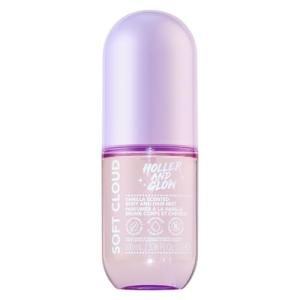
- Body Mists & Light Fragrance: These contain high amounts of water and volatile alcohols that evaporate easily, leaving the remaining oils unbalanced.
- Solid Balm Perfumes: Made with natural waxes and oils, these bases are highly susceptible to oxidation and going rancid if left in warm places.
- Face Serums & Concentrates: Often housed in clear glass dropper bottles, these are exposed to fresh air and light every time you open them to apply the product.
Early Warning Signs
Your nose and eyes will tell you when a product is starting to turn. Look out for:
- Sight: The liquid turns a darker yellow, brown, or cloudy color. Clear liquids rarely stay clear when they degrade.
- Smell: The top notes (like lemon or bergamot) vanish. The scent smells sour, metallic, or resembles old cooking oil.
- Tactile Feel: The liquid feels stickier than usual, or the nozzle gets clogged with thick, gummy residue.
How To Prevent This
You can dramatically extend the life of your scented products with a few simple vanity habits:
- Embrace the Dark: Keep your perfumes and scented serums inside drawers, cabinets, or their original boxes. Sunlight is the ultimate enemy.
- Evict Them From the Bathroom: Store delicate fragrances in a bedroom or closet where the temperature remains stable, far away from the daily heat of the shower.
- Seal the Deal: Always twist caps shut tightly immediately after use to block out oxygen.
How We Analyze Product Failures
When I evaluate a product's lifespan, I do not just rely on casual, hands-on testing. To truly understand why your favorite scent turned sour or why a pump stopped working, my evaluations rely on forensic cosmetic chemistry and device teardown analysis.
I look closely at how real-world bathroom humidity, reactive skincare chemicals, and daily use physically stress these products over time. By breaking down the exact chemical pathways, I can show you exactly where a product failed. My research and conclusions are built on:
- cosmetic formulation stability data
- device hardware documentation
- packaging barrier science
- environmental stress models
This scientific approach ensures you get the real story behind your personal care investments.