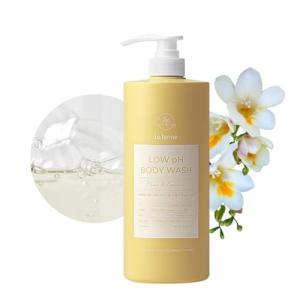
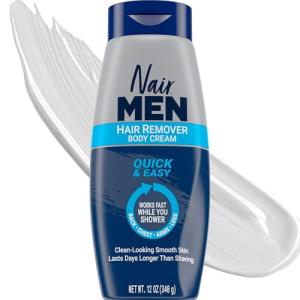
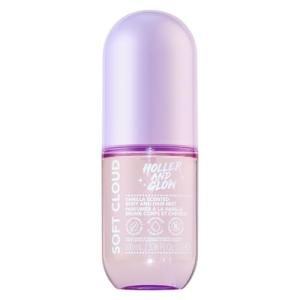
What is it?: Container and Packaging System
- The Fortress: The primary physical barrier—whether it's a plastic tube, a glass bottle, or a metal tin—that keeps your product safe from the outside world.
- The Guardian: The protective design elements that block out light, air, and moisture, keeping the ingredients fresh and effective.
- The Delivery Vehicle: The structural shape that actually allows you to hold, squeeze, or scoop the product without it spilling everywhere.
What Exactly is a Container and Packaging System?
Think of a container and packaging system like a space suit for your skincare and grooming products. Just as an astronaut needs a specialized suit to survive the harsh environment of space, a fragile lotion or active serum needs a carefully engineered bottle to survive the chaotic environment of your bathroom.
Its primary job is two-fold: First, it physically holds the liquid, cream, or gel so you can actually use it. Second—and more importantly—it acts as a microscopic shield. It keeps the good stuff in (like moisture and active ingredients) and the bad stuff out (like bacteria, oxygen, and harmful UV rays).
Without a reliable packaging system, your favorite expensive creams would dry out into a crusty mess, or separate into a watery puddle within days. The bottle is just as crucial to your routine as the formula inside it!
How and Why It Breaks Down
The Squeeze and Snap
Have you ever had a favorite face wash tube suddenly split open at the side, leaking soap all over your shower shelf? This happens because plastics are constantly expanding and contracting, especially in hot showers. Over time, repeatedly squeezing the bottle while it goes through these temperature shifts weakens the plastic fibers. It's like bending a paperclip back and forth until it eventually snaps.
How it Fails: Temperature Extremes → Stress Cracking → Container Interaction
The Sunburn Effect
Leaving a clear acrylic or plastic bottle on a sunny windowsill looks aesthetically pleasing, but it's a disaster for the packaging. Just like the sun can burn our skin, constant sunlight degrades the chemical bonds in plastics. The plastic becomes brittle, cloudy, and weak. Once the bottle's UV defense fails, those same sun rays bake the product inside, destroying delicate ingredients like Vitamin C.
How it Fails: High UV Exposure → Acrylic Clouding → Active Oxidation
The Bathroom Sweat
Bathrooms are essentially tiny, humid jungles. When cardboard or porous packaging components are exposed to the steam from your shower day after day, they absorb that moisture like a sponge. This causes the packaging to swell and warp. Once the structure warps, the airtight seals loosen, allowing water and airborne bacteria to sneak into your product.
How it Fails: High Humidity Acceleration → Moisture Swelling → Preservative Depletion
Cheap vs. Expensive: Where Brands Cut Corners
- Material Purity: A $10 drugstore lotion often uses highly porous, single-layer plastics. These breathe too much, allowing oxygen to seep in and ruin the formula via Active Oxidation. A $100 luxury cream will use thick, multi-layer plastics, opaque resins, or heavy-duty glass to create a true fortress.
- UV Protection: Budget brands frequently use clear, untreated packaging because it looks nice and is cheap to produce. Premium brands will invest in dark amber, frosted, or UV-coated glass that acts like sunglasses for the formula, preventing High UV Exposure.
- Chemical Compatibility: Cheap plastics can sometimes dissolve slightly when filled with highly acidic or oil-heavy formulas, leading to Container Interaction (meaning microscopic plastic bits leech into your cream!). High-end products use specialized, inert linings to keep the formula pure.
Products Where You'll Find This
- Face Serums & Concentrates: These highly active, delicate formulas completely rely on their packaging (usually tinted glass or opaque airless pumps) to survive. Without it, ingredients like retinol or Vitamin C would degrade almost instantly.
- Sunscreen & SPF Protection: Sunscreen chemicals must remain highly stable to protect your skin. The thick, opaque squeeze tubes they come in are specifically engineered to block light and heat from breaking down the SPF filters.
- Shampoos & Hair Cleansers: These live entirely in the wet, slippery environment of the shower. Their Structural Housing must be rugged enough to survive drops while maintaining a water-tight seal against shower spray.
- Body Washes & Shower Gels: Similar to shampoos, the large, heavy plastic bottles must withstand constant squeezing and high humidity without splitting at the seams.
Warning Signs That It's Failing
- The plastic looks frosted or yellowed: If a clear plastic bottle suddenly starts looking hazy or yellow, you are witnessing Acrylic Clouding. The plastic is breaking down from light exposure.
- Tiny spiderweb lines in glass: If you drop a glass dropper bottle and it doesn't shatter, check it closely. Faint, thread-like lines mean you have a Glass Microfracture. Air can now seep in, and the bottle could shatter on the next use.
- The sides are caved in or bubbling out: This usually means the ingredients inside are reacting with the plastic walls, a classic sign of Container Interaction.
- The cap feels "crunchy" when you twist it: Dried product has built up in the threads. Forcing it closed creates intense pressure that leads to Stress Cracking around the neck of the bottle.
How to Make It Last Longer
- Keep them in the dark: Store your active serums and creams in a drawer or medicine cabinet, not on a sunny vanity. This is the absolute best way to prevent High UV Exposure.
- Wipe the threads clean: Once a week, take a damp cloth and wipe away the gunk on the screw-threads of your jars and bottles. This ensures an airtight seal and prevents Stress Cracking from forced closures.
- Evacuate the shower: Don't leave your favorite face wash sitting directly under the showerhead stream. The constant bombardment of hot water accelerates Temperature Extremes and weakens the plastic.
How We Analyze This
We evaluate these products by looking at the hard data behind how they are built and formulated, rather than just doing unboxing reviews. We cross-reference chemical safety sheets, hardware teardowns, and thousands of real-world consumer complaints to figure out exactly how and why these everyday items break down.