Failure Mode Profile: Volatile Loss
- What Type of Issue Is It? Chemical & Packaging Formulation Failure
- Common Causes: Temperature Extremes and Low Humidity Desiccation
- How It Breaks Down: Solvent Evaporation Shift (the fast-drying liquids escape into the air)
- Parts Most Affected: Container Packaging System and Seal & Gasket System
What Is Volatile Loss?
Have you ever opened a favorite bottle of nail polish or waterproof makeup only to find it has turned into a thick, unusable paste? That is volatile loss in action. In cosmetic chemistry, "volatile" simply means a liquid that is designed to evaporate quickly at room temperature. Think of rubbing alcohol vanishing off your skin, compared to water, which takes its time.
Many of our favorite premium beauty products rely on these fast-evaporating liquids to deliver ingredients smoothly, dry down quickly, and set firmly. But if the packaging isn't perfectly airtight, these liquids escape the bottle prematurely. When the fast-drying liquids vanish, the structural ingredients are left behind, leaving you with a dried-out, clumpy, or sticky mess that is impossible to apply.
Where This Failure Occurs
Volatile loss is a constant battle between a product's liquid formulation and its physical hardware. It most commonly strikes in these structural and chemical areas:
How It Breaks Down
When Heat Speeds Up Evaporation
The Domino Effect: Temperature Extremes → Solvent Evaporation Shift → Volatile Loss
Warm temperatures give liquid molecules energy. If you leave a product in a hot car or a sun-drenched bathroom, the volatile liquids turn into a gas much faster. This internal pressure pushes against the cap, and the gas forces its way out through microscopic gaps. The delicate balance of the formula shifts, losing its crucial solvents.
When Dry Air Degrades the Packaging
The Domino Effect: Low Humidity Desiccation → Seal Shrinkage → Volatile Loss
Very dry environments, especially in heated homes during winter, can actually dry out the rubber or silicone seals hidden inside your product lids. As the protective seal shrinks and hardens, it creates a tiny leak path. The dry air then acts like a sponge, relentlessly pulling the easily evaporated compounds right out of the bottle.
Why Some Products Survive Better
The difference between a formula that lasts a year and one that dries up in a month often comes down to packaging engineering. High-end brands invest heavily in airtight glass bottles and custom silicone seals. Glass is completely impermeable, meaning gases cannot pass through the walls of the container no matter how long it sits.
Budget-friendly products often use single-wall plastic jars and bottles. Over time, certain volatile gases can actually permeate directly through cheap plastics. Furthermore, budget packaging may lack a dedicated rubber gasket inside the lid, relying only on hard plastic threads to keep the product sealed, which is rarely enough to stop volatile compounds from escaping.
Products Most Vulnerable
Because they rely so heavily on fast-drying solvents and lightweight carrier fluids, the following products are highly susceptible to drying out:
- Nail Polish & Color: These contain highly volatile solvents designed to flash off in seconds to harden the lacquer. A loose cap means a ruined, solid bottle.
- Face Serums & Concentrates: Many advanced serums, especially Vitamin C formulations, use specific volatile carriers to enhance skin penetration before evaporating.
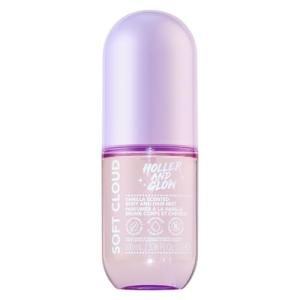
- Body Mists & Light Fragrance: Fragrances are essentially fragrant oils dissolved in volatile alcohols. When the alcohol escapes, the scent profile shifts dramatically and feels heavy or sticky.
Early Warning Signs
Catching volatile loss early can sometimes save the rest of your product. Look out for these signs:
- Sight: The product level drops even when you haven't used it, or you notice a sticky, crusty buildup around the threads of the bottle.
- Smell: The product loses its initial sharp scent, or conversely, smells intensely concentrated and overpowering because the diluting agents have vanished.
- Tactile Feel: The texture becomes incredibly thick, stringy, or gooey. It pulls or drags across the skin instead of gliding smoothly.
How to Prevent This
You can dramatically extend the life of your premium cosmetics with a few simple habits:
- Clean the Threads: Always wipe the rim of the bottle and the inside of the cap before closing. A tiny speck of dried product acts as a wedge, preventing the seal from closing properly and allowing air to flow.
- Store Cool and Dark: Keep volatile-heavy products away from sunny windowsills and heating vents. A cool, dark vanity drawer keeps the liquids calm and stable.
- Tighten Firmly: It sounds obvious, but ensure caps are cranked down tight until you feel the inner rubber seal engage against the rim.
How We Analyze Product Failures
I don't just rely on basic hands-on testing when evaluating why a favorite serum turns to sludge or a device stops working. My evaluations are built on deep forensic cosmetic chemistry and meticulous device teardown analysis. I look closely at how real-world bathroom humidity, active skincare chemicals, and daily use genuinely stress your products over time.
By cross-referencing cosmetic formulation stability data with advanced packaging barrier science, I can trace a failure back to its root cause. I also utilize device hardware documentation and environmental stress models to understand exactly how temperature swings and moisture degrade protective seals and plastics. This rigorous methodology allows me to give you accurate, science-backed advice to protect your personal care investments.