Failure Mode Profile: Surfactant Breakdown
- What Type of Issue Is It? Chemical Formulation Breakdown
- Common Causes: Temperature Extremes, Hard Water Buildup, and Cleaner Compatibility Conflict
- How It Breaks Down: Through Hydrolysis Breakdown and pH Drift, tearing apart the cleansing molecules.
- Parts Most Affected: Surfactant System and Carrier Base System
What Is Surfactant Breakdown?
Surfactants are the heavy lifters in all your favorite face washes, shampoos, and body gels. Think of them as tiny chemical magnets. One end of the magnet loves water, and the other end loves oil and dirt. When you wash your face, these magnets grab onto the grime, and the water rinses the whole package down the drain. It is a brilliant, delicate balancing act.
Surfactant breakdown happens when these little magnets get damaged and lose their charge. Instead of grabbing onto dirt and oil, they either clump together with themselves or sink to the bottom of the bottle. When a cleanser suffers from this breakdown, you are essentially just rubbing soapy water on your skin without actually cleaning out your pores.
Where This Failure Occurs
This molecular collapse primarily affects the liquid foundations of your products. You will see this issue strike in the following areas:
How It Breaks Down (The Domino Effect)
Formulas don't just stop working for no reason; they are usually pushed past their limits by the environment in your bathroom. Here is how the breakdown happens in the real world.
When the Shower Gets Too Hot
Leaving your cleansers on a hot windowsill or constantly blasting them with shower steam causes the water in the formula to literally split the cleanser's molecules apart—a process known as hydrolysis. Imagine a beaded necklace snapping and scattering everywhere.
The Domino Effect: Temperature Extremes → Hydrolysis Breakdown → Surfactant Breakdown
When Tap Water Ruins the Mix
Sometimes, getting unfiltered tap water inside your cleanser bottle throws off the acidity of the formula. This pH imbalance causes the cleanser to lose its ability to create a rich lather.
The Domino Effect: Hard Water Buildup → pH Drift → Foaming Instability
Why Some Products Survive Better
If you have ever noticed that a luxury face wash stays perfectly blended for a year, while a cheaper drugstore body wash separates into a watery, goopy mess after two months, you are witnessing the difference in formula stability.
Budget-friendly products often use single, harsh surfactants that are highly sensitive to temperature changes. Premium formulations blend multiple gentle cleansers together, creating a web-like structure that reinforces the formula. Furthermore, high-end packaging, like airless pumps, acts as a vault. It prevents contaminated shower water and air from creeping in, whereas cheap pop-top caps easily let destructive elements mix right into the bottle.
Products Most Vulnerable
Because this failure attacks liquid foaming formulas, it heavily targets the products you use every single day in wet environments:
- Facial Cleansers & Washes: Highly vulnerable because they use very gentle, fragile surfactants to protect facial skin.
- Shampoos & Hair Cleansers: Often stored directly in the "splash zone" of the shower, making water contamination highly likely.
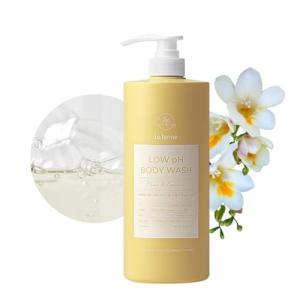
- Body Washes & Shower Gels: Frequently subjected to massive temperature swings as the bathroom heats up and cools down daily.
Early Warning Signs
Your cleanser will usually tell you it is struggling before it completely stops working. Look out for these tell-tale symptoms:
- Sight (Cloudiness or Separation): The formula looks split, like oil and vinegar salad dressing. You might see a clear watery layer on top and a thick, milky layer at the bottom.
- Tactile Feel (Weak Lather): When you rub it between your hands, it feels slimy or greasy instead of producing a thick, fluffy foam.
- Smell (Sour Odors): The breakdown of these chemicals can alter the fragrance, leaving the product smelling slightly sour or like raw plastic.
How to Prevent This
Protecting your cleansers is all about controlling their environment. Keep your premium serums and face washes out of the shower caddy if you take blistering hot showers; store them in a cool, dark drawer instead. Always ensure lids are snapped completely shut so rogue shower water cannot introduce hard minerals into the bottle. If your cleanser comes in a tub or jar, never scoop it out with soaking wet hands, as this instantly alters the pH of the remaining formula.
How We Analyze Product Failures
When I evaluate why a cleanser suddenly loses its lather or separates, I do not just wash my hands with it and guess. My evaluation relies heavily on forensic cosmetic chemistry and deep formulation analysis. I look directly at how real-world bathroom conditions impact the molecular structure of your products. Using environmental stress models, I replicate the exact temperature swings and high humidity your skincare faces every day in a typical shower. I also review cosmetic formulation stability data to see how different preservative systems and raw materials interact over time. By breaking down the barrier science of the packaging and tracking the chemical kinetics of the formulas, I can pinpoint exactly when and why a product fails. This scientific teardown process ensures you get the real facts behind your bathroom cabinet casualties.