What is it?: Preservative System
- Primary Function: Acts as the built-in security team for your beauty and personal care products, stopping harmful bacteria, yeast, and mold from growing inside the bottle.
- Common Names: Phenoxyethanol, parabens, sodium benzoate, potassium sorbate, or "natural preservative blends."
- The Real-World Analogy: Think of it like the refrigeration and salt used to keep food fresh. Just like milk goes sour if left on the counter, water-based skincare will quickly grow fuzzy mold and dangerous bacteria without a preservative system to protect it.
What Exactly is a Preservative System?
Every time you dip your finger into a jar of face cream or open a bottle of shampoo in a steamy shower, you are introducing bacteria and moisture into the product. Because bacteria absolutely love water, any product that lists "water" (or aqua) as its first ingredient is essentially a five-star resort for microscopic bugs.
A Preservative System is a carefully balanced blend of chemicals (or natural extracts) designed to make the environment inside that bottle uninhabitable for microbes. It doesn't just stop the product from smelling bad; it protects your skin and eyes from serious infections.
These systems are delicate. They need the perfect balance of acidity, temperature, and protective packaging to keep working. When that balance gets thrown off, the "security guards" quit, and the microbes take over.
How and Why It Breaks Down
The Steamy Shower Effect
Many of us keep our most-used products on a bathroom window sill or right on the edge of the tub. The constant cycling of hot, steamy air and cooling room temperatures puts massive stress on the chemical bonds of the product. Over time, the formula begins to break apart, leaving pockets of unprotected water where mold can thrive.
How it Fails: Temperature Extremes → Emulsion Separation → Microbial Risk
The "Dirty Finger" Contamination
Scooping cream out of a tub with damp, unwashed hands introduces water and bacteria directly into the formula. The preservative system immediately goes to work fighting off the invaders. But preservatives get "used up" in the battle. Eventually, if you keep adding water and bacteria, the system runs out of ammunition.
How it Fails: High Humidity Acceleration → Preservative Depletion → Microbial Risk
The Sunny Window Sill
If you leave a clear glass bottle of serum on a bright vanity, the ultraviolet rays from the sun essentially "cook" the delicate ingredients inside. This UV radiation destroys the preservatives and shifts the delicate acid-base balance (the pH) of the formula, rendering whatever preservatives are left completely useless.
How it Fails: High UV Exposure → pH Drift → Preservative Depletion
Cheap vs. Expensive: Where Brands Cut Corners
- Harsh vs. Gentle Ingredients: Cheaper, drugstore brands often use older, highly aggressive preservatives (like formaldehyde-releasers) because they are cheap and practically bulletproof. However, these can trigger Barrier Irritation Amplification on sensitive skin.
- The Packaging: A premium brand will invest in airless pumps (a Container Packaging System that keeps air and fingers out), meaning they can use a gentler preservative system. Budget brands often use open-mouth jars, forcing them to overload the formula with harsh preservatives to compensate.
- Stability Under Pressure: Expensive formulations use advanced buffering agents to prevent Acid Base Instability. If a cheap product's pH drifts even a little bit, its preservatives instantly stop working.
Products Where You'll Find This
- Facial Moisturizers & Face Creams: Because these are highly water-based and often come in open jars, a robust preservative system is absolutely critical to stop you from rubbing contaminated lotion into your pores.
- Shampoos & Hair Cleansers: These live in the wettest, warmest room in your house. Without strong preservatives, the constant splash of shower water into the bottle would turn them into petri dishes.
- Face Serums & Concentrates: The dropper packaging on these products means they are constantly exposed to the open air and sometimes touch your face directly, requiring precise preservation to stay safe.
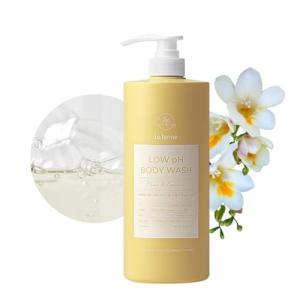
- Body Washes & Shower Gels: Similar to shampoo, the high water content and humid storage environment demand heavy-duty protection against mold and bacteria.
Warning Signs That It's Failing
- It smells like sour milk or crayons: This is a classic sign of Oil Rancidity. The protective ingredients have died, and the oils are oxidizing and rotting.
- The texture gets cottage-cheese chunky: If your smooth lotion suddenly separates into a puddle of water and weird chunky solids, you are experiencing Emulsion Separation. The preservatives can no longer protect the broken formula.
- Visible black spots or fuzz: This is the ultimate failure. If you see discoloration around the rim or floating in the liquid, that is Mold Growth. Throw it away immediately.
- It suddenly stings your skin: If a product you've used for months suddenly burns, it may have undergone pH Drift. The formula has become too acidic or alkaline, and the preservatives are likely compromised.
How to Make It Last Longer
- Use a clean cosmetic spoon (spatula): Never dip dirty or wet fingers into a jar. Keeping out moisture and finger-bacteria is the best way to prevent Preservative Depletion.
- Keep it out of the shower if possible: Store face washes and scrubs in a cool, dry cabinet rather than on the shower ledge to avoid Temperature Extremes.
- Store clear bottles in the dark: Keep products with clear glass or plastic away from window sills to prevent High UV Exposure from destroying the active chemicals.
- Close lids tightly: Leaving caps loose allows water to evaporate, which causes Solvent Evaporation Shift. This concentrates the remaining ingredients and ruins the preservative balance.
How We Analyze This
We evaluate these products by looking at the hard data behind how they are built and formulated, rather than just doing unboxing reviews. We cross-reference chemical safety sheets, hardware teardowns, and thousands of real-world consumer complaints to figure out exactly how and why these everyday items break down.