Failure Mode Profile: UV Embrittlement
- What Type of Issue Is It? Material Degradation and Packaging Failure
- Common Causes: High UV Exposure from sitting on sunny windowsills, bathroom ledges, or car dashboards.
- How It Breaks Down: Sunlight slowly destroys the microscopic polymer chains that make plastic strong and flexible, turning it dry and chalky.
- Parts Most Affected: Container Packaging System and Polymer Shell
What Is UV Embrittlement?
Have you ever picked up an old plastic lawn chair that was left outside all summer, only to have it crack the moment you sat on it? That is UV embrittlement in action, and the exact same thing happens to your cosmetics.
When plastic packaging or beauty device casings are exposed to sunlight over time, the ultraviolet (UV) rays actually attack the material on a chemical level. Plastics are made of long, flexible molecular chains. Think of UV light like microscopic scissors, snipping these chains into smaller, weaker pieces in a process called "photo-oxidation."
As these structural chains break, the plastic loses its flexibility and strength. It transforms from a durable, bouncy material into something hard, chalky, and incredibly fragile. One day your favorite serum bottle seems totally fine, and the next, you accidentally tap it against the sink and it shatters into pieces.
Where This Failure Occurs
This breakdown happens anywhere hard or flexible plastics are used to house, protect, or dispense your personal care routines:
- Container Packaging System (Clear serum bottles, moisturizer jars, and squeeze tubes)
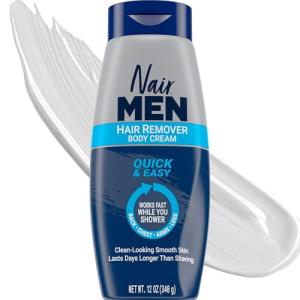
- Structural Housing (The waterproof outer casing of facial cleansing brushes or hair removal tools)
- Dispensing Mechanism (Pump tops, spray nozzles, and plastic applicator wands)
- Polymer Shell (The protective plastic covers on high-end beauty electronics)
How It Breaks Down (The Domino Effect)
This failure doesn't happen overnight. It is a slow, silent process that sneaks up on your products when they are left bathing in direct sunlight.
When Light Destroys Plastic
The Domino Effect: High UV Exposure → UV Embrittlement → Impact Fracture
First, the sun's rays beat down on the product packaging. Slowly, the plastic experiences UV embrittlement, losing all of its shock-absorbing flexibility. Finally, the next time you drop it, bump it, or squeeze it, the weakened plastic suffers an impact fracture and breaks completely.
Why Some Products Survive Better
Not all packaging handles the sun the same way. Budget-friendly skincare lines often use basic, clear plastics like PET. These look beautiful and show off the colorful formulas inside, but they offer little defense against UV light. Over time, both the product inside and the bottle itself will rapidly age.
Premium brands, on the other hand, engineer their packaging to survive the elements. They might use opaque glass—which doesn't suffer from UV embrittlement at all—or they add chemical "UV stabilizers" directly into the plastic manufacturing process. Think of UV stabilizers like built-in sunscreen for the plastic container. They absorb the harmful rays so the plastic molecules don't have to take the hit.
Products Most Vulnerable
Because of how we tend to store and display them, certain products are much more likely to suffer from this kind of packaging failure:
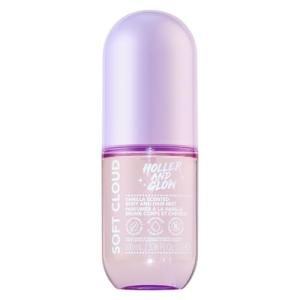
- Face Serums & Concentrates: Often housed in beautiful, clear plastic dropper bottles that are proudly displayed on sunny bathroom vanities.
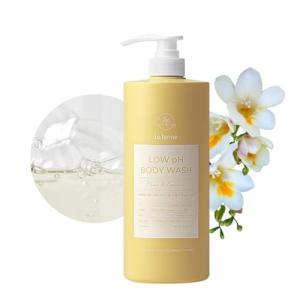
- Shampoos & Hair Cleansers: Frequently left sitting on windowsills inside showers, baking in direct sunlight day after day.
- Sunscreen & SPF Protection: Ironically, the products meant to protect our skin from the sun are often left out baking on beach towels or boat decks, causing their plastic squeeze tubes to become brittle and split open.
Early Warning Signs
You can usually spot UV embrittlement before your packaging completely shatters. Keep an eye (and ear) out for these warning signs:
- Sight: The plastic will start to look cloudy, yellowed, or faded. Bright colors will look washed out, and clear plastics will develop a milky film. You might also spot microscopic, spiderweb-like cracks on the surface, which engineers call "crazing."
- Tactile Feel: The surface of the plastic will feel rough, chalky, or dry to the touch, rather than smooth and glossy. Flexible squeeze tubes will feel stiff and resist bending.
- Sound: When you squeeze or press the plastic, it might make a dry, crinkling, or cracking sound instead of a soft flexing noise.
How to Prevent This
Stopping UV embrittlement is all about managing your product's environment. Here are a few simple ways to protect your bathroom staples:
- Ditch the windowsill: Move your hair care products away from sunny shower ledges. Store them in hanging caddies or shaded corners of the bathroom.
- Use the drawer method: Keep vulnerable, clear-packaged serums inside a closed bathroom drawer or a medicine cabinet. Total darkness is their best friend.
- Protect outdoor gear: When you are outside, keep sunscreens and lip balms buried inside the dark pockets of your beach bag, not sitting out exposed on your towel.
- Avoid the car dashboard: Never leave beauty devices or cosmetics in your car, where UV light and intense heat act like a magnifying glass to destroy plastic.
How We Analyze Product Failures
My approach to evaluating product breakdowns goes far beyond basic hands-on testing. To truly understand why your favorite beauty devices and packaging fail, I rely on forensic cosmetic chemistry and detailed device teardown analysis.
I look closely at how real-world bathroom humidity, reactive skincare chemicals, and daily mechanical stress actually impact these products. By combining cosmetic formulation stability data with material science, I can trace failures back to their true root cause.
Using environmental stress models, packaging barrier science, and device hardware documentation, I investigate exactly why a serum bottle shatters on the floor or a cleansing brush casing cracks after a few months. This scientific deep-dive ensures the advice you get is grounded in the reality of how these materials age and interact in your home.