What is it?: Dispensing Mechanism
- Category: Packaging and Hardware
- Function: The mechanical pump, spray nozzle, or airless engine that moves a liquid product from the inside of a bottle into your hands.
- Core Vulnerability: Tiny internal plastic and rubber pieces that wear down over time due to pressure, temperature, and harsh formulas.
- Main Associated Failures: Seal Compression Fatigue, Crystallization, and Elastomer Hardening.
What Exactly is a Dispensing Mechanism?
Every time you press down on a bottle of lotion or spritz your face with a hydrating mist, you are relying on a Dispensing Mechanism. Simply put, this is the internal "engine" of your product's packaging. Whether it's a standard dip-tube pump that acts like a straw, or a sophisticated airless pump that works like a syringe pushing from the bottom up, its job is to give you the perfect amount of product on demand.
Think of it like a tiny, precisely engineered bicycle pump. It relies on a delicate balance of springs, rubber gaskets, and small plastic valves to create suction. Without it, you'd be unscrewing caps and awkwardly slapping glass bottles against your palm just to get your skincare out.
How and Why It Breaks Down
The "Stiff Pump" (Dried Out Rubber Seals)
Inside every pump is a small rubber or silicone ring (a gasket or seal) that prevents air from getting inside and keeps the liquid moving in one direction. When you leave a product in a hot car or right next to a sunny bathroom window, the heat literally bakes the moisture out of that flexible rubber. It becomes stiff, brittle, and stops creating a tight vacuum. When you press down, you feel resistance, or the pump just stays stuck at the bottom.
How it Fails: Temperature Extremes → Elastomer Hardening → Seal Compression Fatigue
The "Sputtering Spray" (Internal Rust and Wear)
Standard pumps use tiny metal springs to push the nozzle back up after you press it. If you keep your products in a steamy shower, moisture can sneak inside the pump head. Over time, that tiny spring can rust and weaken. Eventually, the metal loses its bounce, and the pump starts taking longer to pop back up—or stops popping up entirely, leaving you to manually pull it up for every squirt.
How it Fails: High Humidity Acceleration → Corrosion → Cyclic Fatigue Failure
The "Clogged Nozzle" (Product Hardening)
If you don't use a product for a few weeks, the small bit of lotion or serum sitting at the very tip of the nozzle gets exposed to the dry air in your home. The water inside the formula evaporates, leaving behind hard, crusty clumps of ingredients. This physical blockage acts like a cement plug. The next time you press down, the pressure builds up until the pump eventually shoots product sideways, completely missing your hand.
How it Fails: Low Humidity Desiccation → Solvent Evaporation Shift → Crystallization
Cheap vs. Expensive: Where Brands Cut Corners
- Spring Quality: A $10 drugstore lotion usually uses an exposed metal spring in the pump. As mentioned above, this easily leads to rust. A $80 prestige cream will use a plastic-encased spring or an entirely plastic tension mechanism that never rusts, avoiding premature Cyclic Fatigue Failure.
- Airless vs. Dip-Tube: Budget brands use standard dip-tubes (a plastic straw that reaches the bottom). Every pump pulls regular bathroom air into the bottle, which can cause Active Oxidation to delicate ingredients. High-end brands use "airless pumps"—a sealed environment where a disc pushes the product up from the bottom. No air gets in, keeping the formula fresh and eliminating Microbial Risk.
- Seal Materials: Cheap pumps use low-grade rubber seals that easily warp and succumb to Seal Shrinkage. Premium mechanisms use high-grade silicone that stays bouncy and tight until the very last drop of product.
Products Where You'll Find This
- Face Serums & Concentrates: High-end serums rely heavily on airless dispensing mechanisms. Vitamin C and retinol break down rapidly when exposed to air, so the pump is doing double duty: dispensing product and protecting the formula.
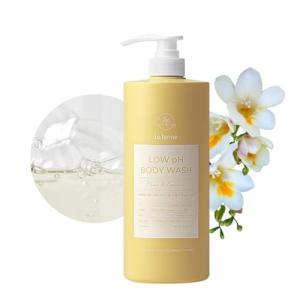
- Body Washes & Shower Gels: The giant pump tops on family-sized shower gels endure massive physical stress. They must deliver thick, heavy gels day after day while constantly surviving being soaked in water.
- Facial Cleansers & Washes: Foaming cleansers actually use a highly specialized dispensing mechanism that mixes the liquid with a rush of air right as it leaves the bottle, instantly creating lather.
- Deodorant & Antiperspirant Sprays: Continuous spray nozzles deliver incredibly fine mists, but they are highly susceptible to clogging if the aluminum powder or formula settles near the top.
Warning Signs That It's Failing
- The Slow Rebound: If you press the pump down and it takes more than a second to pop back up, the internal spring is dying or suffering from Corrosion.
- Leaking from the Neck: If lotion is oozing out where the pump screws onto the bottle, the internal gaskets have failed due to Elastomer Hardening. The pump can no longer maintain a tight seal.
- Sideways Spitting: If the product shoots out at a weird angle instead of straight down into your palm, the tip has suffered from Crystallization. There is a hardened plug of old product partially blocking the exit.
- Pumping Air: In airless pumps, if you pump five times and nothing but air comes out, the internal vacuum seal is broken, likely caused by Seal Shrinkage.
How to Make It Last Longer
- Store Upright: Keep bottles standing straight up. Laying them in drawers allows the product to seep into the spring mechanism, accelerating Corrosion.
- Clear the Nozzle: If you haven't used a serum in a week, quickly wipe the tip with a tissue after pumping. This prevents Crystallization from permanently blocking the tiny exit hole.
- Keep Away from Steam: Don't store your expensive airless pump serums in the shower cubicle. Keeping them away from constant wet heat prevents High Humidity Acceleration from ruining the internal springs and seals.
How We Analyze This
We evaluate these products by looking at the hard data behind how they are built and formulated, rather than just doing unboxing reviews. We cross-reference chemical safety sheets, hardware teardowns, and thousands of real-world consumer complaints to figure out exactly how and why these everyday items break down.