Failure Mode Profile: Glass Microfracture
- What Type of Issue Is It? Material Degradation & Structural Failure
- Common Causes: Temperature Extremes and everyday physical impacts
- How It Breaks Down: Microscopic flaws expand through Stress Cracking
- Parts Most Affected: Container Packaging System and Glass Panel components
What Is Glass Microfracture?
We've all been there: you gently set down your expensive vitamin C serum, and suddenly, the bottom of the bottle simply falls off. This frustrating mystery is usually the result of glass microfractures. In the world of materials science, glass is incredibly hard but also highly brittle. A microfracture is a tiny, practically invisible crack that forms on the surface of the bottle after a minor bump or temperature swing.
Think of it like a tiny rock chipping your car's windshield. At first, you can barely see it. But as the car heats up in the sun and cools down at night, that tiny flaw slowly stretches into a massive spiderweb crack across the glass. The same thing happens to your cosmetic bottles sitting on your bathroom counter.
Where This Failure Occurs
You will most commonly see this type of material failure in heavy, premium packaging meant to protect high-end formulas. Specifically, it targets:
How It Breaks Down (The Domino Effect)
When the Bathroom Heats Up and Cools Down
Hot showers create steam, and air conditioning cools the room back down. This constant cycle causes the glass to physically expand and contract slightly. Over time, these shifts put immense pressure on microscopic scratches.
The Domino Effect: Temperature Extremes → Thermal Expansion Mismatch → Impact Fracture
When Bottles Bump Together
Rifling through a crowded makeup drawer or dropping a bottle a mere half-inch onto a hard marble sink introduces shockwaves into the rigid glass structure.
The Domino Effect: Impact Fracture (Minor Bump) → Glass Microfracture → Stress Cracking
Why Some Products Survive Better
Not all glass is created equal. Budget-friendly skincare brands often use standard soda-lime glass, which is cheaper to produce but highly sensitive to temperature changes and physical shocks. Premium brands often formulate their packaging using borosilicate glass (similar to Pyrex baking dishes), which is chemically engineered to resist expanding and contracting with heat.
Additionally, well-designed products might include an inner Polymer Shell or a slightly rubberized base to absorb the shock of being set down on hard bathroom counters, stopping microfractures before they even begin.
Products Most Vulnerable
The products most at risk are those housed in rigid, heavy packaging that are handled daily in moisture-rich, fluctuating environments.
- Face Serums & Concentrates: Often housed in delicate glass dropper bottles that are tapped against countertops.
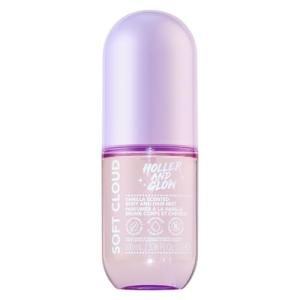
- Body Mists & Light Fragrance: Usually kept in thin-walled glass that is frequently thrown into gym bags.
- Facial Moisturizers & Face Creams: Heavy glass jars that hold a lot of product weight, meaning a harder impact when dropped.
Early Warning Signs
Before your bottle completely shatters, it will often leave tiny clues that the structural integrity is failing.
- Sight: Look for a slight "frosting" effect or tiny rainbow-colored glints inside the glass wall—these are light reflecting off the internal crack. You might also notice formula weeping out, leading to Active Oxidation.
- Tactile Feel: You might feel a slightly rough or sharp edge when running your fingernail along the bottom rim of a bottle.
- Sound: A bottle with a microfracture will sound "dull" or "flat" rather than making a high-pitched clink when lightly tapped with a fingernail.
How To Prevent This
- Use a vanity mat: Place a silicone mat or a soft towel on your bathroom counter to absorb the shock when you set heavy bottles down.
- Avoid the tap: If using a glass dropper, never tap the glass pipette against the rim of the bottle to remove excess product.
- Store away from direct heat: Keep fragile glass bottles away from sunny windowsills or direct paths of heater vents to prevent rapid temperature expansion.
- Give them space: Don't crowd glass bottles tightly in a drawer where they will clank against each other every time it opens and closes.
How We Analyze Product Failures
When investigating why our favorite beauty tools and packaging fail, I rely on forensic cosmetic chemistry and device teardown analysis rather than just basic hands-on testing. I look closely at how real-world bathroom humidity, fluctuating temperatures, and daily use actually stress the products sitting on your vanity. My process involves testing against cosmetic formulation stability data, analyzing device hardware documentation, and diving into packaging barrier science. By putting these containers and devices through environmental stress models, I can see exactly how a tiny hairline crack turns into a shattered serum bottle. My goal is to break down the complex materials science so you can better protect your personal care investments and get every last drop out of your products safely.